
Dog Dental Chews That Actually Work: A Buyer's Guide
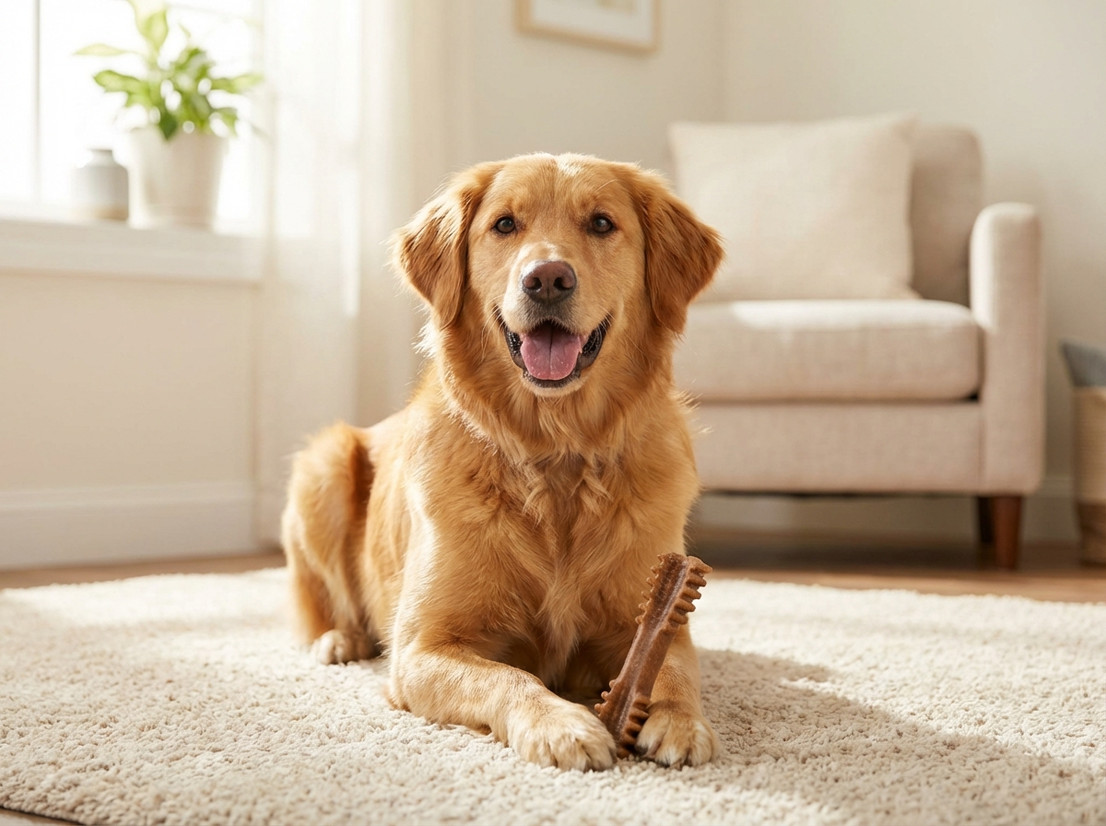
Choosing the right dental chews for your dog can feel overwhelming when every packet on the shelf promises sparkling teeth and fresh breath. The truth is, not all chews are created equal — some genuinely reduce plaque and tartar, while others are little more than flavoured treats. This guide breaks down what to look for so you can find the best dental chews for your dog's size, chewing style, and overall health.
Why Dental Chews Matter for Dogs
Periodontal disease affects the majority of dogs by the time they reach three years of age. Left unchecked, bacteria from plaque build-up can enter the bloodstream and place strain on the heart, kidneys, and liver.
Daily brushing is the gold standard, but let's be honest — most dogs are not thrilled about a toothbrush. That's where dental chews come in. A well-formulated chew provides a mechanical scrubbing action that helps break down plaque before it hardens into tartar.
Think of dental chews as a complement to brushing, not a replacement. When used consistently, they can meaningfully improve your dog's oral hygiene between professional cleans.
What Actually Makes a Dental Chew Effective?
The best dental chews share a few key characteristics. First, they have a firm but flexible texture that forces the tooth to sink in, creating contact along the gum line where plaque accumulates most.
Second, look for chews that carry the Veterinary Oral Health Council (VOHC) seal of acceptance. This independent organisation tests products against strict criteria for plaque and tartar reduction — it's one of the most reliable third-party endorsements available.
Third, effective chews take time to consume. If your dog demolishes a chew in thirty seconds, the mechanical scrubbing action is negligible. Aim for a product that keeps your dog chewing for several minutes.
Quick tip: Flip the packet over and check the calorie count. Dental chews can be surprisingly energy-dense, so factor them into your dog's daily food allowance to avoid unwanted weight gain.
Choosing the Right Chew for Your Dog
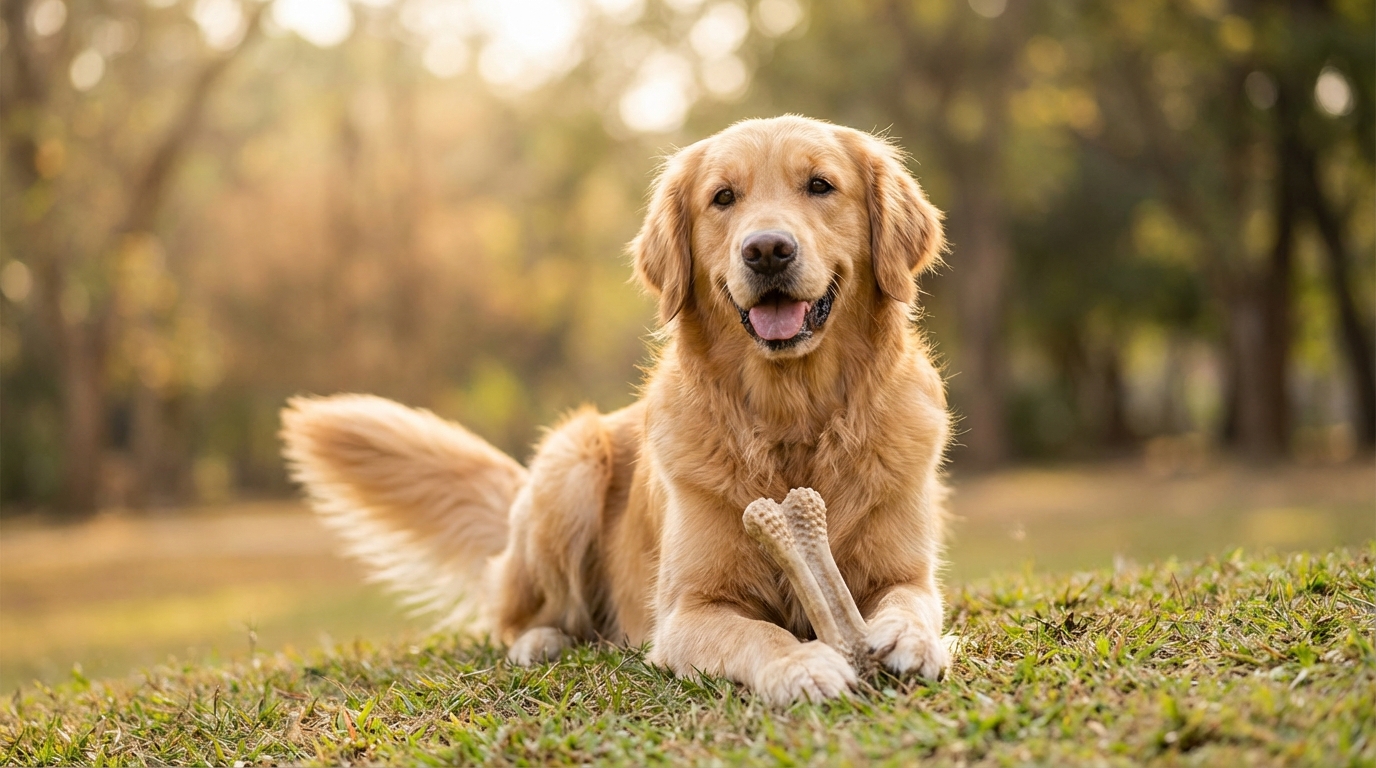
Size matters — a lot. A chew designed for a Labrador could be a choking hazard for a Chihuahua, while a small chew won't provide adequate abrasion for a large breed's teeth. Always match the product to your dog's weight range as listed on the packaging.
Consider your dog's chewing style as well. Aggressive chewers may need a denser formulation, whereas senior dogs or those with sensitive gums benefit from softer, more pliable options. Browse our full range of dog products to compare textures and formulations side by side.
Ingredients are worth scrutinising, too. Avoid artificial colours, excessive fillers, and added sugars. High-quality chews typically feature digestible proteins and may include ingredients like sodium hexametaphosphate, which helps prevent tartar mineralisation.
If your dog is allergic to common proteins such as chicken or beef, grain-free and novel-protein options are available. Reading the full ingredient panel — not just the front-of-pack marketing — is always a smart move.
Common Mistakes to Avoid
One of the most frequent errors is treating dental chews as an occasional indulgence rather than a daily habit. Consistency is what drives results; a chew once a week won't make a meaningful dent in plaque build-up.
Another mistake is choosing chews that are too hard. Products like antlers, bones, and hooves can fracture teeth, leading to painful extractions. A good rule of thumb: if you can't indent the surface with your thumbnail, it's probably too hard for your dog's teeth.
Finally, don't overlook the importance of supervision. Even the safest chew can become a hazard if a dog breaks off a large chunk and tries to swallow it whole. Stay nearby, especially the first few times you introduce a new product.
Pairing dental chews with enrichment toys for dogs — such as rubber puzzles you can smear with dog-safe paste — adds another layer of oral stimulation and mental engagement.
How to Use Dental Chews as Part of a Routine
For the best results, offer one appropriately sized chew per day, ideally after your dog's main meal. This timing helps address fresh food residue before bacteria have a chance to colonise.
Combine the chew with regular tooth brushing — even two or three brushing sessions a week alongside daily chews can dramatically improve oral health. Water additives designed for dogs can add a further layer of protection.
Keep a simple log if it helps: note when you started daily chews and check your dog's teeth and gums every fortnight. You should see less redness along the gum line and a visible reduction in yellowish tartar over the first few weeks.
Remember, dental chews address surface-level plaque. They cannot reverse advanced periodontal disease or deal with issues below the gum line, so a periodic professional assessment remains important.
Frequently Asked Questions
At what age can puppies start having dental chews?
Most manufacturers recommend waiting until a puppy has its full set of adult teeth, which typically occurs around six months of age. Before that point, puppy-specific teething toys are a safer choice for sore gums.
Can dental chews replace brushing entirely?
They're a powerful supplement, but not a full replacement. Brushing reaches areas — particularly the inner tooth surfaces — that chews often miss. Using both together delivers the most comprehensive clean.
How many dental chews should I give per day?
One chew per day is the standard recommendation for most products. Giving more than that increases calorie intake without proportionally increasing dental benefits, and may cause digestive upset in some dogs.
Ready to upgrade your dog's oral care routine? Explore our complete selection of dog health and wellness products to find dental chews, toys, and more — and if your dog has existing dental concerns, have a quick chat with your vet to tailor the best plan.
Recent Posts
-

How to Read Pet Food Labels Like a Pro
Understanding what's printed on pet food labels is one of the simplest ways to improve your companio
-

Grain-Free Dog Food: Is It Actually Better for Your Pet?
Grain-free dog food has surged in popularity over the past decade, with many pet owners assuming it'
-

Ziwi Peak vs Raw: Is Air-Dried Worth the Price?
If you've ever compared a bag of air-dried dog food to the cost of a traditional kibble, the price t