

A healthy gut is the foundation of your dog's overall wellbeing — yet digestive issues are one of the most common reasons owners seek help for their pets. Understanding how to support your dog's digestive health can mean fewer upset stomachs, firmer stools, and a happier companion at every life stage. The good news is that a few practical changes can make a significant difference.
Why Digestive Health Matters More Than You Think
Your dog's gastrointestinal tract does far more than break down food. It houses roughly 70 per cent of the immune system, which means poor gut health can leave a dog vulnerable to infections, low energy, and skin problems.
When digestion runs smoothly, nutrients are absorbed efficiently, the immune response stays balanced, and your dog maintains a healthy weight. When it doesn't, you may notice anything from occasional loose stools to chronic lethargy and a dull coat.
Investing in preventive care — including quality nutrition and routine dog worming treatments — is one of the most effective ways to keep your pet's digestive system functioning well.
Signs Your Dog May Have Digestive Issues
Dogs can't tell us their stomach hurts, so learning to read the early warning signs is essential. Common indicators include intermittent vomiting, excessive flatulence, changes in stool consistency, and a noticeable decrease in appetite.
More subtle signals are easy to miss. A dog that eats grass frequently, scoots along the ground, or has a persistently bloated abdomen may be dealing with an underlying digestive complaint.
Weight loss despite a normal appetite can also point to malabsorption — a condition where nutrients pass through the gut without being properly taken up. If you notice any of these signs persisting for more than a day or two, it's worth investigating the cause rather than waiting for things to resolve on their own.
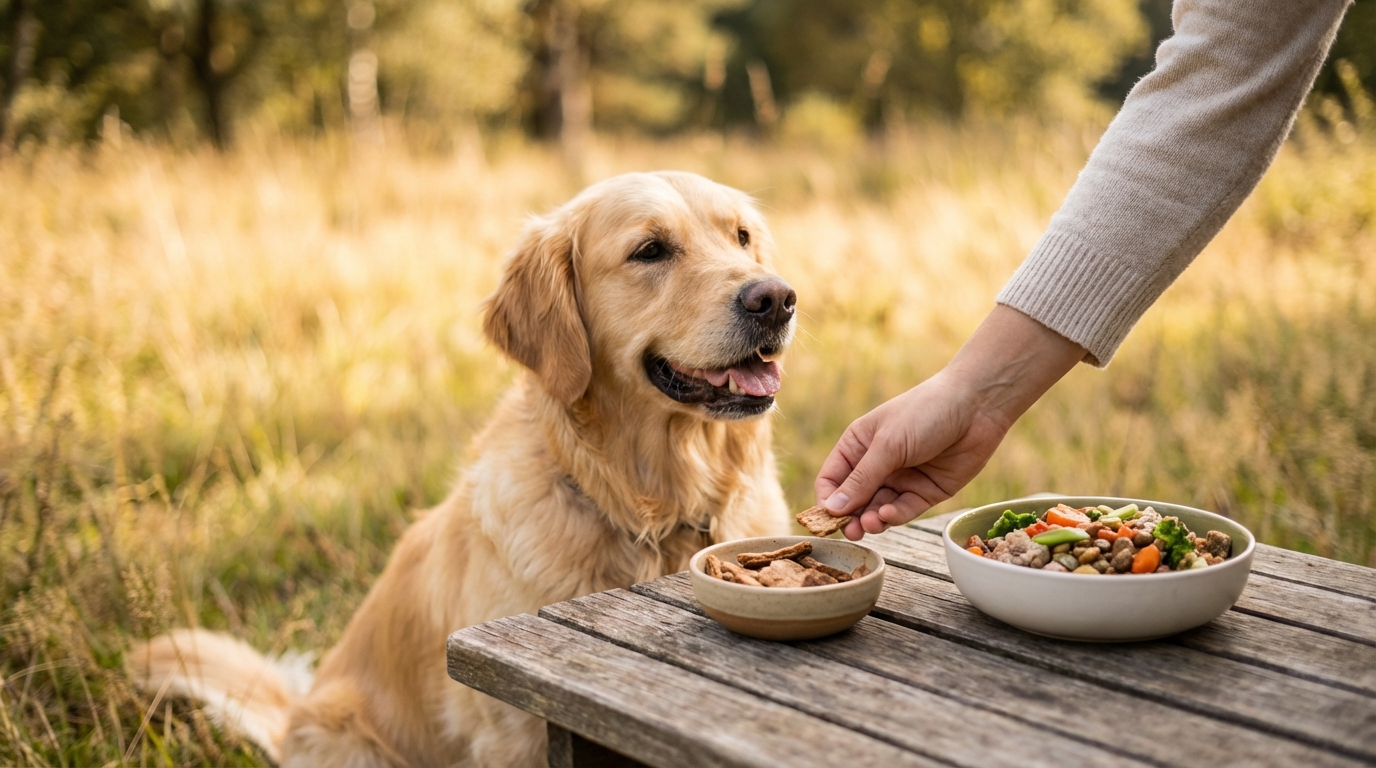
Nutrition Tips for a Stronger Gut
Diet is the single biggest lever you have over your dog's digestive health. A consistent, high-quality diet built around easily digestible proteins and appropriate fibre supports a balanced gut microbiome and regular bowel movements.
Avoid sudden food changes wherever possible. If you need to switch brands or protein sources, transition gradually over seven to ten days by mixing increasing amounts of the new food with the old. Abrupt changes are a leading cause of short-term digestive upset.
Quick tip: Adding a small spoonful of plain, unsweetened pumpkin purée to your dog's meal can provide gentle soluble fibre that firms up loose stools and supports healthy digestion.
Probiotics formulated for dogs can also be beneficial, particularly after a course of antibiotics or during stressful periods such as travel or boarding. Look for products that list specific bacterial strains and colony-forming units (CFUs) on the label.
Fresh, clean water should always be available. Dehydration slows the passage of food through the intestines and can lead to constipation — an often-overlooked cause of discomfort.
How Parasites Undermine Digestive Wellbeing
Intestinal parasites — including roundworms, hookworms, whipworms, and tapeworms — are a surprisingly common cause of chronic digestive problems in dogs. These parasites compete for nutrients, irritate the gut lining, and can cause diarrhoea, vomiting, and anaemia, especially in puppies and older dogs.
Many infestations are picked up through contaminated soil, faeces, or even fleas. A dog that swallows a flea carrying tapeworm larvae, for example, can develop an intestinal infection without any obvious exposure to other infected animals.
Keeping your dog on a regular parasite prevention schedule is one of the simplest ways to protect digestive health. Broad-spectrum allwormer products target the most common intestinal worms in a single treatment, making it easy to stay on top of prevention year-round.
Don't forget external parasites, either. Fleas are a direct transmission route for tapeworm, so pairing your worming schedule with effective flea and tick prevention closes the loop and protects your dog's gut from multiple angles.
Simple Daily Habits That Help
Beyond diet and parasite control, a handful of everyday practices can keep your dog's digestive system in top shape.
- Feed on a schedule. Two measured meals a day (adjusted for age and size) promote regular digestion and help you spot appetite changes early.
- Slow down fast eaters. Dogs that gulp their food swallow excess air, which leads to bloating and discomfort. A slow-feeder bowl or puzzle toy can make a real difference.
- Limit table scraps. Fatty, spicy, or heavily seasoned human foods are a frequent trigger for pancreatitis and acute gastroenteritis in dogs.
- Encourage regular exercise. Moderate daily activity stimulates healthy gut motility and reduces the risk of constipation.
- Minimise stress. The gut–brain connection is well documented in dogs. Predictable routines, safe spaces, and positive socialisation all help keep the digestive system settled.
Consistency is the theme across all of these habits. Dogs thrive on routine, and their digestive systems are no exception.
Frequently Asked Questions
How often should I worm my dog to protect digestive health?
Most adult dogs benefit from intestinal worming every three months. Puppies and dogs in high-exposure environments may need more frequent treatment. Check the product label for specific guidance based on your dog's weight and age.
Can probiotics really help a dog's digestion?
Yes, canine-specific probiotics can help restore beneficial gut bacteria, particularly after illness, antibiotic use, or dietary changes. Look for products that list named bacterial strains and store them as directed to maintain potency.
Is occasional vomiting normal in dogs?
An isolated episode — for instance, after eating something unusual — is common and usually not a cause for alarm. However, repeated vomiting, vomiting with blood, or vomiting accompanied by lethargy or loss of appetite warrants prompt attention.
Supporting your dog's digestive wellbeing doesn't have to be complicated. A quality diet, consistent parasite prevention, and a few mindful daily habits go a long way. If you're unsure which products suit your dog's needs, have a quick chat with your vet, then browse our full range of dog health products to find the right fit.