

This Advantage review breaks down what the range does well, where it may not fit, and how to choose the right option for your pet. Advantage is best known as a spot-on flea treatment, with imidacloprid as the primary active ingredient in many products in the range. If you want a simple monthly routine for flea control, it’s often on the shortlist—but it still pays to match the product to your household and routine.
Below, you’ll find a clear look at key features, who it suits, and how to buy with confidence.
What Advantage is and how it works
Advantage is a topical flea treatment range designed to kill fleas on pets and help reduce the ongoing flea cycle that can affect your home. It’s typically applied to the skin (not the coat) and works by spreading across the skin’s surface and coat oils.
In practical terms, it’s aimed at people who want a simple routine and targeted support against fleas. Some Advantage options are primarily flea-focused, while other variants within the brand umbrella may include additional parasite protection depending on the product. Always check the pack and product listing so you’re clear on exactly what that specific item covers for your pet.
To see the current range in one place, browse Advantage products and check the species and weight guidance on each listing before adding to basket.
Pros, limitations, and who it suits
Where Advantage stands out: it’s straightforward to apply and suits owners who want a consistent, repeatable approach to flea control. Topical application can also be a useful option for pets that dislike tablets or are difficult to medicate orally.
What to keep in mind: flea control is only one part of parasite protection. If your pet needs broader coverage (for example, ticks or other parasites), you may need a combined plan. Be organised with timing, and avoid overlapping products unless a vet has advised it.
Speed expectations: many topical flea products aim to start working quickly on adult fleas, but the exact kill-time claims and the reapplication interval can vary by product and formulation. Relief can also vary depending on infestation pressure and whether you’re treating the environment. For the most accurate guidance, check the specific pack you’re using for its stated kill time and how often to reapply.
Who it’s best for: pets with recurring flea exposure, multi-pet homes where fleas can spread quickly, and owners who prefer a simple monthly routine. It can also suit pets that are fussy with flavoured chews.
Safety note: choose the correct product for the correct species and weight range. Never use dog flea products on cats. Always follow label directions, and if your pet is unwell, pregnant, nursing, very young, or has a history of skin reactions, ask your vet before starting or switching flea treatments.
Choosing between Advantage products
Not all Advantage products are interchangeable. The right pick depends on species (cat vs dog), your pet’s current weight, and your broader parasite plan.
Step 1: confirm the species. Advantage products are formulated and labelled for either cats or dogs. This isn’t a minor detail—species-specific products matter for safety. If you share a household with both cats and dogs, store treatments separately and apply one pet at a time to prevent mix-ups.
Step 2: choose the correct weight range. Select the pack that matches your pet’s current weight on the day you apply it (not their “usual” weight). If your pet is between sizes, follow the label guidance and consider asking your vet which option best fits.
Step 3: decide whether you need flea-only or broader support. Many shoppers land on an Advantage review because they’re unsure whether they need a targeted flea solution or a product that includes additional protection. A quick checklist can help:
- What are you seeing now? Live fleas, flea dirt, scratching, or evidence of bites.
- What are you trying to prevent? Ongoing flea exposure, seasonal flare-ups, or household re-infestation.
- What else is your pet already on? Any preventatives already in use (including worming or other parasite products), so you can avoid gaps or doubling up.
Step 4: consider your household routine. These practical factors can influence which product is most convenient and effective in real life:
- Multi-pet households: if one pet is left untreated, they can act as a host and keep the cycle going. Aim for a whole-house plan where each pet is protected appropriately.
- Bathing and grooming: frequent bathing or heavy grooming may affect topical products. Follow the label for guidance on bathing and contact with water.
- Skin sensitivity: if your pet has had reactions to topical products before, speak with your vet before applying, and monitor closely after first use.
- Young or small pets: age and weight limits vary by product, so never assume a product is suitable based on brand name alone.
When in doubt, use the brand hub to compare the range side-by-side: shop the Advantage range here. Product pages typically make it clear which pets they’re intended for, the minimum age/weight, and how often to reapply.
Quick tip: If you’re treating fleas, treat the environment too—wash bedding, vacuum thoroughly, and repeat weekly for a few weeks to reduce reinfestation pressure.
How to use it well (and avoid common mistakes)
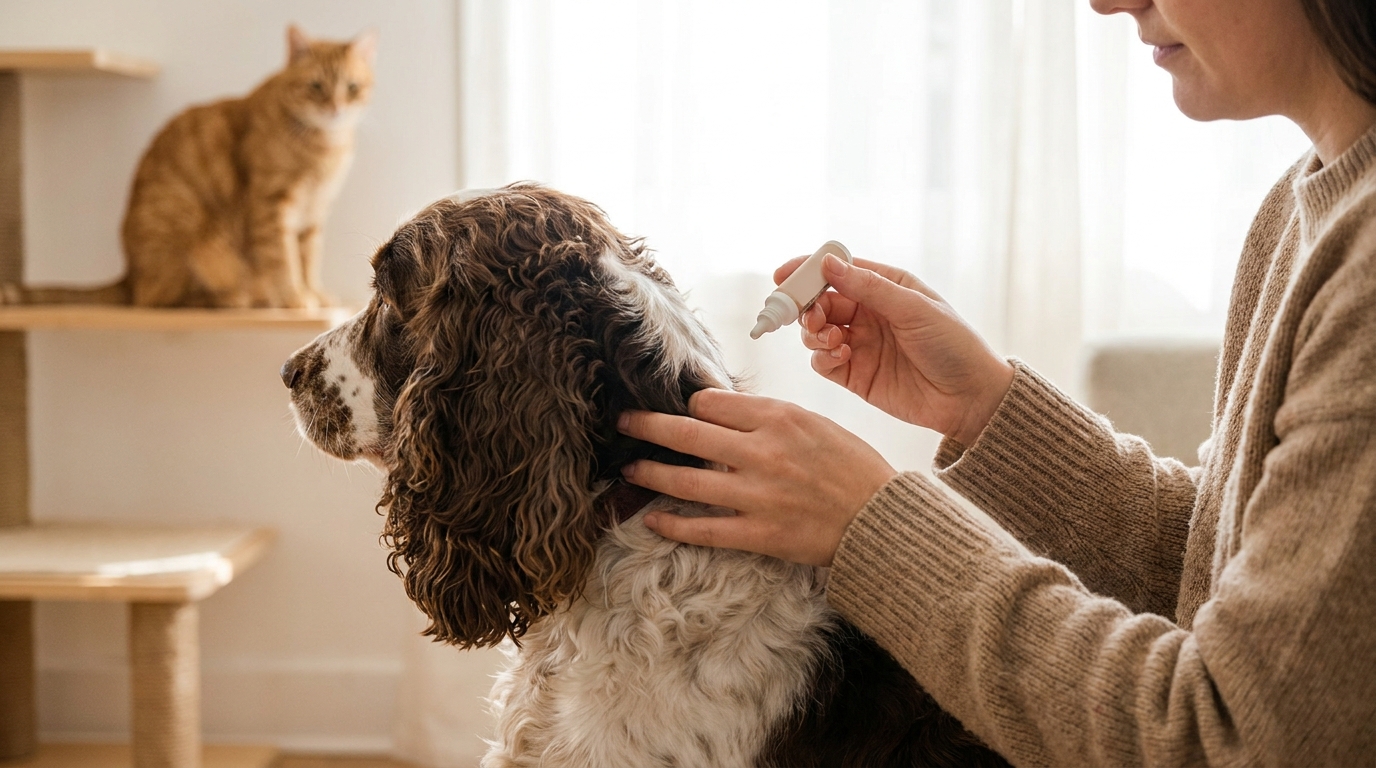
Topical flea treatments work best when they reach the skin. Part the fur and apply to the recommended spot(s) where your pet can’t lick easily, then let it dry fully before close cuddles or grooming. Try to apply around the same date each month so you don’t accidentally stretch the interval.
Common mistakes to avoid:
- Applying to fur instead of skin: this can reduce how well the product spreads across the skin.
- Using the wrong species product: never apply a dog product to a cat.
- Mixing parasite products without guidance: combining treatments can be risky. If you’re building a broader plan, check with your vet.
- Expecting instant household clearance: fleas can keep emerging from eggs and pupae for a while. Seeing a few fleas shortly after treatment doesn’t always mean the product failed; it can be part of the clean-up phase.
If you have multiple pets, ensure each one is protected appropriately. Unprotected pets can act as flea ‘hosts’ and keep the cycle going, even if one animal is treated consistently.
Is it worth it? Value and buying tips
Whether Advantage is “worth it” depends on your goal. If you want dependable flea control with a simple routine, it often offers good value—especially when compared with the cost and hassle of letting fleas become established.
Buying tips that help you get better value:
- Buy the correct size for your pet’s current weight: don’t try to “make do” with a mismatched pack.
- Plan for consistency: regular reapplication is usually more important than switching products frequently. Check the pack for the exact interval.
- Match the product to your needs: if fleas are your only issue, a targeted flea option can be cost-effective. If you need broader coverage, build a plan that avoids gaps and avoids doubling up.
If you’re ready to compare options, explore the full Advantage range and choose the best match for your pet’s species and weight. If your pet has skin sensitivities or complex parasite needs, chat to your vet for tailored guidance.
Frequently Asked Questions
How quickly should I see a difference after applying Advantage?
Some pets show improvement within the first day, but results can vary depending on the specific product, infestation level, and whether you’re also tackling the home environment. For the most reliable expectations, check the pack for its stated kill time and recommended reapplication interval, and keep up consistent applications.
Can I use Advantage on puppies or kittens?
Some products in the Advantage range may be suitable for young pets, but age and weight limits vary by product. Always check the individual product directions and select the correct option for your pet’s life stage and size. If you’re unsure, ask your vet—especially for very young, small, or unwell pets.
Why am I still seeing fleas after treatment?
Fleas can keep emerging from eggs and pupae in the home for a period of time, even when adult fleas on your pet are being killed. Keeping up with applications as directed and taking environmental steps (washing bedding and regular vacuuming) usually makes the biggest difference.
Can I use a dog flea treatment on my cat if the dose is smaller?
No. Never use dog flea products on cats. Only use a product labelled for your pet’s species, and follow the directions exactly. If you’ve accidentally applied the wrong product, contact your vet immediately.