

If you’re considering Acidurin for everyday urinary support, you’ll want to know what it’s designed to do, who it suits, and how to compare options on the label. This practical guide breaks down typical Acidurin formats, common label ingredients you may see, and a checklist to help you choose confidently.
Important: Acidurin is a supportive product, not a treatment for urinary tract infections (UTIs), bladder stones/crystals, or urinary blockages. If your pet is straining, vocalising in the litter tray, producing little to no urine, seems painful, or you see blood in the urine, seek veterinary advice promptly. Male cats with any urinary signs need urgent veterinary care because obstruction risk can be higher and can become an emergency.
What Acidurin is and what it’s used for
Acidurin is commonly chosen by pet owners who want to support normal urinary health as part of a broader care routine. Depending on the specific product, labels may describe supporting a healthy urinary environment or helping maintain urine conditions within a normal range.
While the exact formulation varies across the range, many urinary-support products are built around one or more of the following label-driven aims:
- Urine environment support: often achieved with urinary acidifiers on the ingredient list.
- Bladder lining support: sometimes positioned around ingredients that help support the protective mucosal layer of the bladder.
- Comfort and routine support: intended to be used consistently alongside hydration and an appropriate diet.
For a quick look at what’s currently available, you can browse our Acidurin range and compare options by format and pack size.
Choosing Acidurin for urinary support
If you’re comparing products for ongoing urinary support, it helps to think in terms of what the label is trying to achieve rather than expecting a “problem solved” result. Acidurin products are typically aimed at maintenance support and routine consistency, not diagnosis or treatment.
If you want a quick comparison-style snapshot (useful when you’re deciding between two pages side-by-side), use these bullets:
- Goal on label: urine environment support vs bladder lining support vs general urinary maintenance.
- Format: powder/granules mixed into food vs tablets/capsules vs paste/gel-style options (choose what you can administer reliably).
- Key actives listed: urinary acidifiers (for urine pH support) and/or bladder-support ingredients (for mucosal support), plus palatability components.
Always match the product to the species and life stage shown on-pack, and ask your vet if your pet has a history of crystals/stones, kidney concerns, or is on a therapeutic urinary diet.
Acidurin products at a glance
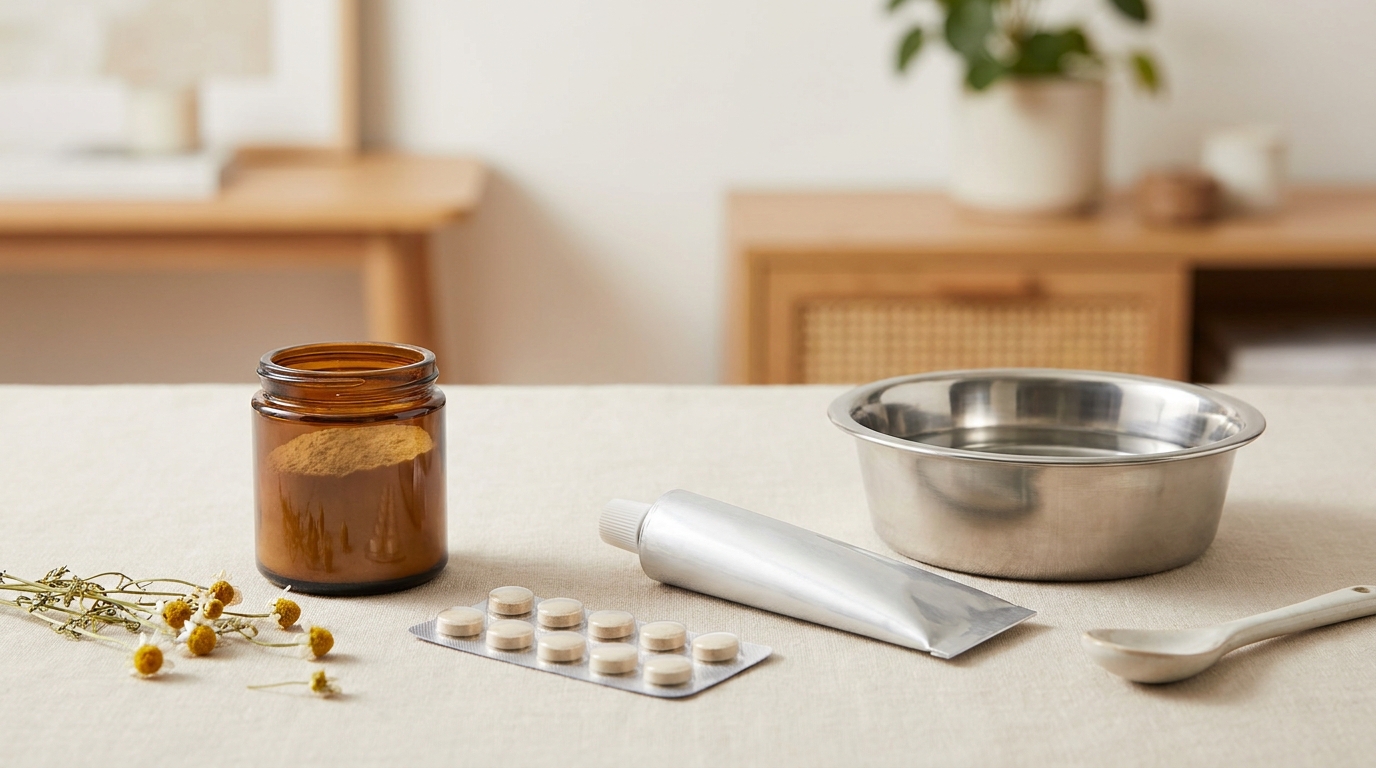
Acidurin is usually sold in a few practical formats designed for easy daily use. The exact options in stock can change, but product pages and labels commonly show formats such as:
- Powders or granules: typically intended to be mixed into wet food or a small amount of something tasty to support consistent intake.
- Tablets/capsules: often chosen for straightforward handling, especially if your pet already accepts pills or takes treats well.
- Paste/gel-style formats: sometimes used where palatability and easy administration are priorities.
Common label language you may see across the Acidurin range includes terms like “urinary acidifier”, “supports urinary health”, or “helps maintain a healthy urinary environment”. Some product pages may also highlight specific ingredients. While you should always confirm on the individual listing, typical ingredient types used for urinary support can include:
- Urinary acidifiers: ingredients intended to help support urine pH within a normal range (often referenced on-pack as part of urinary health maintenance).
- Bladder mucosal support ingredients: sometimes included to help support the bladder’s protective lining (label positioning varies by product).
- Palatability agents: flavours or carriers intended to improve acceptance, especially in powders and pastes.
When reading any Acidurin review online, prioritise posts that include useful context (species, diet type, hydration habits, how consistently it was given). Vague claims aren’t a reliable way to choose a product.
Acidurin label checklist before you buy
A good buyer’s guide should help you shop from the label, not guess. Here’s a practical checklist you can use on any Acidurin product page or packaging.
- Species and life stage: confirm it’s labelled for your pet (cat vs dog) and appropriate for age/size notes on-pack.
- Intended use wording: look for whether it’s positioned for maintenance or for more specific urinary support aims. If the wording sounds like it addresses disease, treat that as a cue to speak to your vet, not self-manage.
- Active ingredients: identify what’s doing the “work” (for example, an acidifier for urine environment support or ingredients positioned to support the bladder lining). If it’s not clear, choose a product with clearer labelling.
- Contraindications/cautions: check for warnings around medical conditions (such as kidney issues), pregnancy/lactation, or use alongside particular diets or medications.
- Palatability notes: flavours, scent, or whether it’s designed to mix into food. This is often the deciding factor for cats, and for fussy dogs.
- Storage guidance: note whether it needs a tightly closed container, protection from heat/light, or other handling instructions once opened.
- Best-before and batch details: especially important if you’re buying a larger pack size for ongoing use.
If anything on the label raises questions, or if your pet’s urinary signs are new, worsening, or recurring, it’s safer to pause and get veterinary guidance. Supportive products should never delay proper assessment when symptoms suggest pain, infection, crystals, or obstruction.
How to choose the right Acidurin option
To pick the best Acidurin product for your pet, start with what you can administer consistently. The “right” choice is the one that fits neatly into your routine and your pet’s preferences.
- Start with acceptability: if your pet refuses powders, choose a tablet or paste-style format (or vice versa). Consistency matters more than “ideal” on paper.
- Match it to feeding style: powder products are often easiest when your pet eats wet food; tablets may suit pets already taking oral products calmly.
- Keep changes simple: if your pet is already on a urinary-focused diet or other supportive products, introduce one change at a time so you can judge tolerance and routine.
- Choose clear labelling: prioritise pages with straightforward ingredients, directions, and cautions, so you’re not guessing.
Quick tip: If you’re trying Acidurin for the first time, choose a smaller pack size and track any changes (appetite, water intake, toilet habits) in a simple daily note for a week or two.
If signs persist (or your pet seems unwell), don’t “trial” supportive care for too long. Urinary issues can be painful and time-sensitive, particularly for male cats.
Buying tips: value, storage, and compatibility
Shopping smart is mostly about reducing friction: you want an option that stays fresh, fits your budget, and makes daily use easier rather than harder.
- Value per use: larger packs can be more economical, but only if you’ll use them before the best-before date and your pet accepts the format.
- Storage and freshness: follow label storage instructions closely. Incorrect storage can affect palatability and product integrity.
- Compatibility with your routine: choose a format that fits how you already feed your pet (mixed with food, given separately, or incorporated into an established schedule).
- Re-order planning: consistency is often the point of a maintenance product. Re-order before you run low to avoid gaps.
If you’re comparing options, the easiest approach is to open two product pages side-by-side from the Acidurin brand collection and cross-check format, ingredient list, intended use wording, and cautions.
Finally, keep the fundamentals in view: urinary support works best alongside fresh water availability, appropriate nutrition, and a low-stress toileting routine. If any urinary signs appear, prioritise assessment over supplements.
Frequently Asked Questions
How long does it take to see results with Acidurin?
It varies by pet and by what you’re trying to support, as well as diet and hydration. Follow the label directions consistently and monitor routine changes over time rather than expecting immediate, dramatic shifts. If symptoms are present or worsening, seek veterinary advice promptly.
Can I use Acidurin alongside other supplements or a urinary diet?
Sometimes pet owners do, but it’s best to introduce one change at a time so you can tell what’s helping (or causing fussiness). If your pet has a history of crystals/stones, recurrent urinary issues, or is on a therapeutic plan, check with your vet before combining products.
Is Acidurin a treatment for UTIs, crystals, or blockages?
No. Acidurin is not a treatment for UTIs, bladder stones/crystals, or urinary obstruction. If your pet is straining, passing very small amounts of urine, seems painful, or has blood in the urine, seek veterinary care. Male cats with urinary signs should be treated as urgent due to higher obstruction risk.
What should I do if my pet won’t take it?
Try administering it with a small amount of highly palatable food, or switch to a different format if available. If refusal continues, stop forcing it and choose a more practical option your pet will accept.
Ready to choose? Browse the full Acidurin range and pick the format and pack size that best fits your pet’s routine; if you’re unsure or symptoms are persistent, chat to your vet.