

Puppy socialisation is easiest and most effective when it happens early—before your pup decides the world is scary, strange, or overwhelming. The first 16 weeks are often described as a critical social learning stage, when new sights, sounds, surfaces, and friendly handling can become “normal” for life.
That said, development isn’t identical for every puppy. Breed tendencies, individual temperament, and life experience all influence how quickly confidence grows. Some puppies also go through temporary fear periods where they react to things that were previously fine. The goal isn’t to “finish” socialisation by a deadline—it’s to build steady, positive experiences early, then keep reinforcing them as your puppy matures.
What the first 16 weeks really mean
Think of early puppyhood as a “default settings” period. During this early socialisation phase, your pup’s brain is primed to take in new experiences and file them under “safe” when introduced gently and repeatedly.
This doesn’t mean your puppy should meet everything at once, or that 16 weeks is a hard cut-off. It means small, positive exposures—paired with calm praise, treats, and breaks—often have an outsized impact compared with the same exposures later on.
Socialisation also isn’t just about other dogs. It’s about learning that people, handling, noises, places, and everyday routines are normal. Done well, early experiences help your puppy cope with real life: visitors, grooming, car rides, and vet waiting rooms.
What to introduce (and what to avoid)
A good plan covers variety without flooding your puppy. Aim for short, controlled sessions that end while your pup is still relaxed. A few minutes several times a day beats one long, intense outing.
- People: different ages, voices, hats, sunglasses, high-vis clothing, umbrellas.
- Handling: gentle touches to paws, ears, mouth, tail; brief holds; collar and harness practice.
- Sounds: doorbells, vacuum, hairdryer, traffic noise (at a distance), clattering pans.
- Surfaces: tiles, carpet, grass, gravel, rubber mats, wobble boards (supervised).
- Objects: prams, bikes, skateboards, wheelchairs—introduced calmly from afar first.
- Being alone: tiny “micro-absences” so solitude becomes routine, not stressful.
What to avoid: forcing greetings, crowded dog areas, prolonged overwhelming noise, and any situation where your puppy cannot retreat. Social learning works best when your pup feels safe and has choice.
Set yourself up with practical gear (lead, harness, training treats, chew toys, cleaning supplies) so you can say “yes” to more experiences without stress. Stocking up from a dedicated range like puppy supplies can make day-to-day training smoother and more consistent.
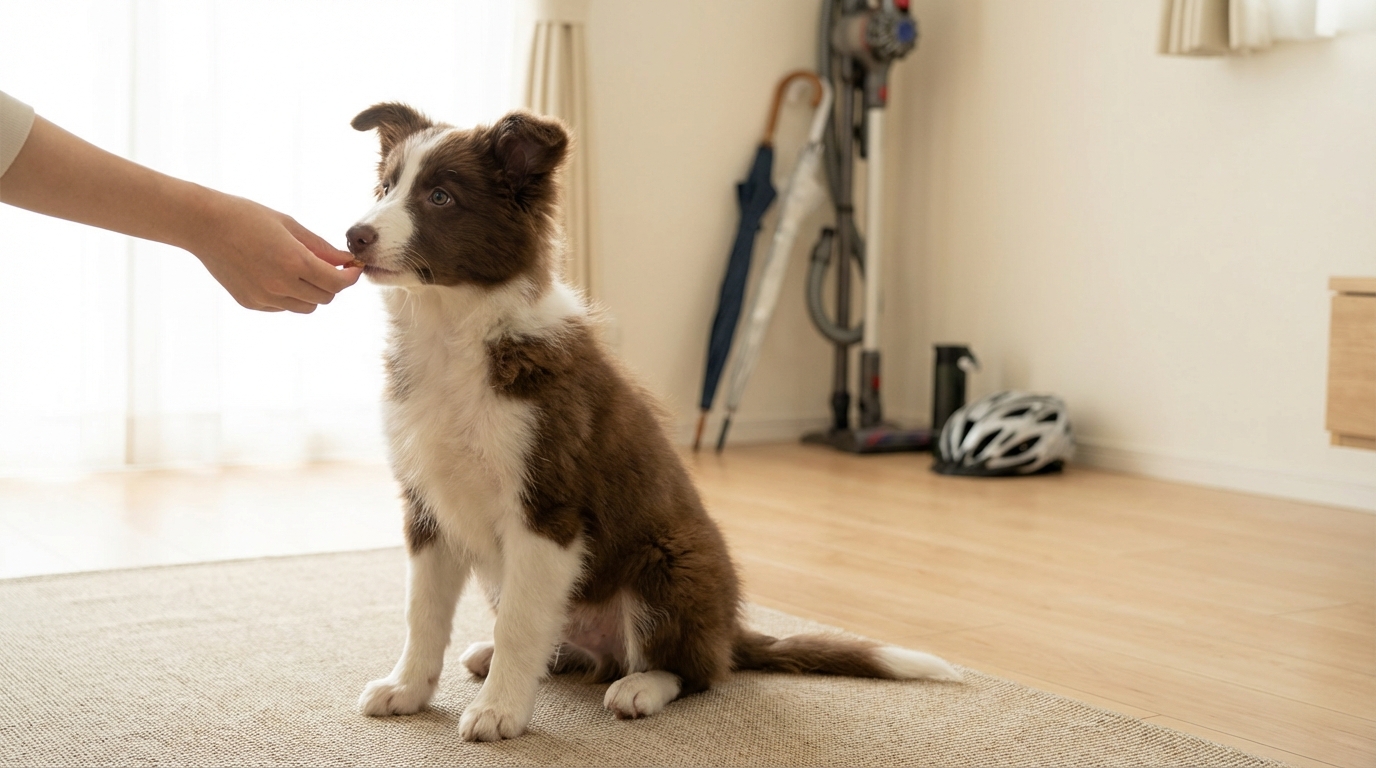
How to socialise your puppy safely
To socialise a puppy safely, focus on distance, choice, and positive outcomes. If your pup is worried, increase distance, lower the intensity, and let them watch until curiosity returns.
Use the “look at that” approach: your puppy notices something new, you calmly reward, then you move on. This builds a habit of checking in with you rather than reacting.
For dog-to-dog time, choose known, friendly, well-mannered dogs over random encounters. Short, supervised play with breaks is better than nonstop wrestling. If your pup hides, freezes, or repeatedly tries to leave, end the interaction and try a gentler set-up next time.
Quick tip: If your puppy is unsure, feed treats on the ground while they observe from a comfortable distance. Sniffing and foraging help lower arousal and create positive associations.
For health and safety, follow your vet’s guidance on vaccinations, parasite prevention, and when paws-on-ground outings are appropriate for your puppy’s age and risk level. Until then, you can still do valuable “look and learn” sessions by carrying your pup, using a clean blanket for sit-and-watch time, and choosing controlled environments. If you attend a puppy class, pick one that asks for vaccination evidence, keeps groups small, and uses calm, positive methods.
Keep hygiene sensible without becoming fearful. Early outings often mean contact with grass, soil, and other animals, so staying organised helps you be consistent. A well-prepared kit from our puppy supplies category can support training sessions and everyday adventures.
A simple week-by-week plan you can actually follow
You don’t need a perfect checklist; you need momentum. Use this as a flexible guide and repeat calm exposures often. If your puppy is nervous, slow down and repeat the easiest version until confidence grows. If you notice a fear period (sudden startles or hesitation), keep things extra gentle and prioritise predictable wins.
- Weeks 8–10: Home routines (vacuum at a distance, door knock, gentle grooming brush), handling daily, brief car sits (engine off at first), meet a few calm visitors.
- Weeks 10–12: Short “watch the world” sessions (from your arms or a blanket), new surfaces, quiet streets at a distance, introduce harness/lead walking indoors.
- Weeks 12–14: Controlled puppy playdates with known friendly dogs, short car rides, calm exposure to bikes/prams from afar, practise settling on a mat in different rooms.
- Weeks 14–16: Slightly busier environments with space to retreat, brief grooming practice (nail touch, bath sounds), gentle restraint games, calm greeting practice with willing people.
Keep sessions short: 5–10 minutes can be enough. Finish with something your puppy enjoys—sniffing, a chew, or a quiet cuddle—so the experience ends on a positive note.
A quick socialisation tracker (to keep you consistent)
Consistency beats intensity. Use a simple tracker for 2–3 weeks and you’ll quickly see what you’ve covered and what needs repeating. You can note this in your phone or on paper.
- Trigger: (e.g., doorbell, pram, friendly stranger, grooming brush)
- Distance/level: (far away, medium, close; carried, on blanket, on lead)
- Body language: (loose, curious, unsure, stressed)
- Reward used: (treats, toy, praise, sniff break)
- Outcome: (stayed relaxed, needed more distance, ended early)
- Next step: (repeat same level, reduce intensity, try again later)
Aim for a mix across the week: people, handling, environments, noises, and alone-time practice. Repetition is what turns “new” into “normal”.
Common socialisation mistakes (and quick fixes)
Mistake: Thinking socialisation means “say hello to everyone.”
Fix: Teach neutral behaviour. Reward calm observation and move past distractions. Confident dogs don’t need to greet everything.
Mistake: Pushing through fear to “get it over with.”
Fix: Back up, create space, and reintroduce at a lower intensity. Fear learned early can become a habit; confidence built gradually becomes a skill.
Mistake: Overdoing dog parks or chaotic play.
Fix: Choose one or two known, compatible dogs and supervise closely. Frequent breaks help prevent overtired, snappy behaviour.
Mistake: Skipping handling because the puppy “doesn’t like it.”
Fix: Make handling a game: touch-pair-treat, one second at a time. Paws, ears, and mouth handling pay off for grooming and health checks later.
Mistake: Forgetting alone-time practice.
Fix: Start tiny: step out of the room for a few seconds, return calmly, and gradually build duration. Pair separations with a safe chew or food puzzle.
Frequently Asked Questions
Is puppy socialisation only about meeting other dogs?
No. It includes learning that everyday life is safe: people, handling, sounds, places, transport, grooming, and being alone. Dog-to-dog skills matter, but they’re only one piece of the picture.
What if I missed part of the early socialisation period?
You can still make meaningful progress, but you may need to go more slowly and be more structured. Focus on low-intensity exposure, reward calm behaviour, and avoid overwhelming situations that can rehearse fear. If your puppy’s worry feels intense or is getting worse, speak with your vet or a qualified behaviour professional for a tailored plan.
How do I know if I’m going too fast?
Signs include freezing, tucked tail, whale eye, repeated yawning, frantic pulling away, or taking treats roughly (or not at all). If you see these, increase distance, reduce intensity, and end on an easy win.
Ready to build confidence from day one? Browse essentials in our puppy supplies range and set up simple, positive sessions that fit real life; if you have concerns about fear or health risks, chat to your vet.