

Senior cat health can change subtly, and many issues are easier (and kinder) to manage when caught early. The good news: a few simple, repeatable checks at home can flag problems before they become emergencies. This guide covers practical, ageing cat health checks you can build into your weekly routine.
When is a cat considered senior?
Cats often start showing “older cat care” needs from around the later adult years, but ageing doesn’t follow a strict calendar. Some cats stay sprightly for years, while others develop stiffness, dental trouble, or weight changes earlier. Treat “senior” as a prompt to monitor more closely, not a label that something must be wrong.
The key shift with senior cat health is that small changes matter more. Subtle weight loss, a duller coat, or a new habit of hiding can be the first clue that your cat needs support. Building a consistent routine of checks helps you notice what’s new versus what’s normal for your cat.
Weekly at-home checklist for older cats
Set aside five minutes once a week for ageing cat health checks. Choose a calm moment (after a meal or nap) and use the same spot each time so your cat expects a gentle “once-over”. Write quick notes in your phone so you can spot trends.
- Body condition: Feel along ribs and spine for noticeable bony points or a thicker waistline.
- Eyes and nose: Look for discharge, squinting, cloudiness, or redness.
- Ears: Check for wax build-up, odour, head shaking, or sensitivity to touch.
- Hydration: Note if the water bowl empties faster than usual, or if litter clumps are larger.
- Grooming: Watch for reduced self-grooming, dandruff, or mats forming quickly.
- Litter habits: Track changes in frequency, accidents, straining, or lingering in the tray.
These checks don’t replace veterinary care, but they are one of the most effective ways to support old cat care at home. Consistency is what makes them useful—one week’s oddity may be nothing, but a pattern often means action is needed.
Skin, coat and parasite checks
Older cats can groom less thoroughly due to stiffness or dental discomfort, which makes coat and skin monitoring especially important. Run your hands from head to tail, feeling for scabs, lumps, flaky patches, or areas your cat reacts to. Check under the collar area (if used), along the back, and around the base of the tail.
Parasites can be easily missed in cats with thick coats or darker fur. Look for “flea dirt” (tiny black specks that smear reddish on a damp tissue), over-grooming, or small scabs around the neck and tail base. If your cat spends time with other pets, keeping prevention steady is part of good senior cat health management.
If you’re reviewing your parasite routine, explore veterinary-grade options in our flea and tick prevention range and consider ongoing support from our heartworm prevention products where appropriate for your pet’s lifestyle. The aim is simple: fewer bites, less itching, and reduced risk of parasite-related skin flare-ups.
Quick tip: Use a fine-toothed comb around the neck and tail base once a week, then check the comb on a white tissue—small clues are easier to spot against a light background.
Mouth, weight and digestion checks
Dental disease is common in ageing cats and can affect appetite, grooming, and mood. Lift the lips briefly to look for red gums, brown build-up, or a strong odour. Also notice if your cat chews on one side, drops food, prefers softer textures, or suddenly eats more slowly.
Weight changes can be one of the earliest signals that something is off. Weigh your cat monthly if possible (even a baby scale works), and pair that number with what your hands feel—some cats lose muscle while keeping a round belly. A steady, unexplained change up or down is worth attention.
Digestion and toileting deserve equal focus in old cat care. Watch for vomiting that becomes more frequent, diarrhoea, constipation, or straining in the litter tray. Also take note of appetite shifts: eating far more than usual, picking at meals, or acting hungry but walking away can all be meaningful in the bigger senior cat health picture.
Behaviour, mobility and breathing: what changes mean
Behaviour often changes before obvious physical signs appear. A normally social cat that hides more, sleeps in unusual places, or seems less tolerant of handling may be uncomfortable. Likewise, increased vocalising—especially at night—can signal stress, confusion, or discomfort that needs investigating.
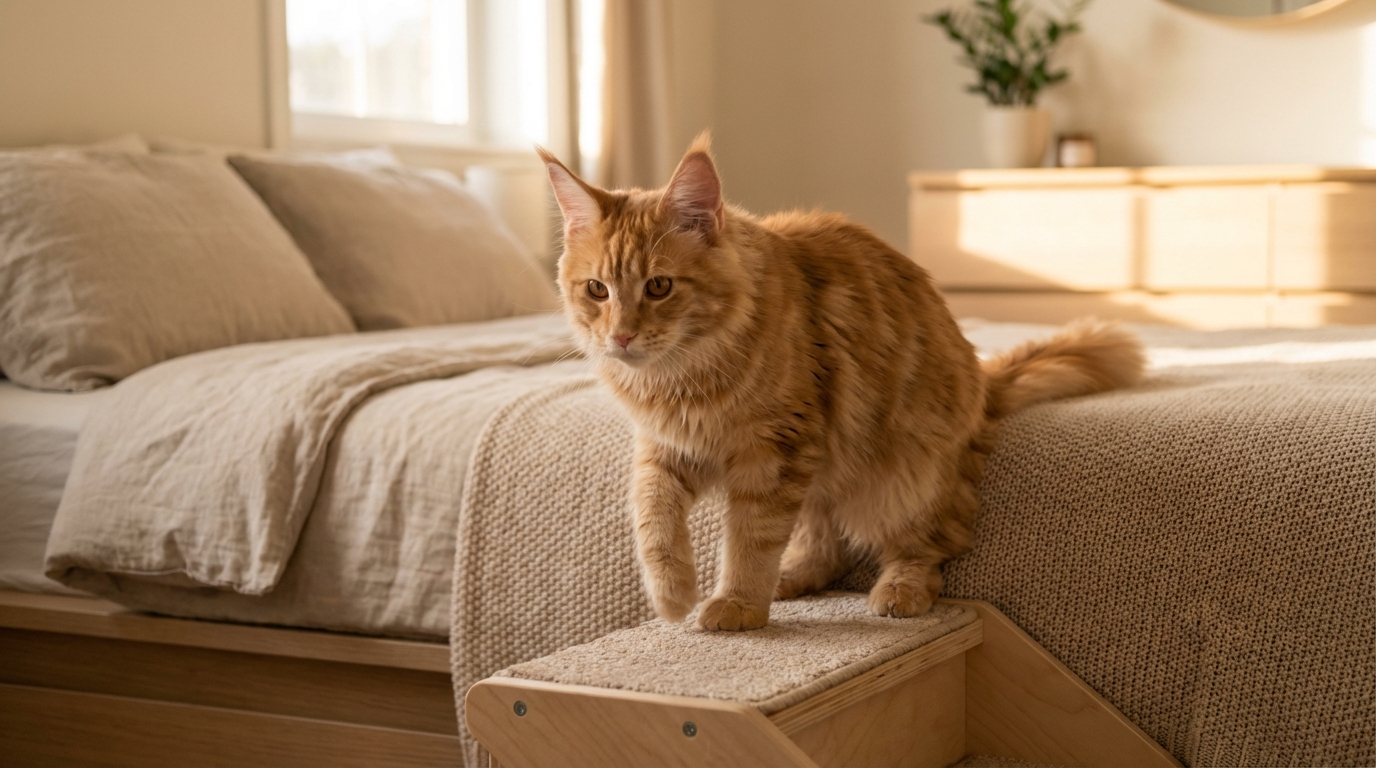
Mobility is a major part of ageing cat health checks, yet it’s easy to miss because cats are experts at adapting. Look for reluctance to jump up, hesitating at stairs, stiffness after resting, or changes in posture when sitting. Simple home adjustments can help: lower-sided litter trays, steps to favourite spots, and keeping essentials on one floor if possible.
Breathing and energy levels should stay fairly consistent day to day. Persistent coughing, noisy breathing, rapid breathing at rest, or tiring quickly during play are red flags. If anything seems suddenly different, treat it as urgent rather than waiting for it to “settle”.
Frequently Asked Questions
How often should I do health checks for an older cat?
A quick weekly check is ideal, with a monthly weigh-in to spot slow trends. Daily observation—appetite, litter tray habits, and energy—fills in the gaps without feeling like a “medical” routine.
What’s the most common health issue in senior cats?
There isn’t a single most common issue, but dental problems, weight changes, and arthritis-like stiffness are frequently seen. That’s why a mix of mouth checks, body condition checks, and mobility observation works well.
My senior cat still looks fine—do I really need to change anything?
If your cat seems well, that’s the perfect time to start consistent monitoring because you’re establishing what “normal” looks like. Early, gentle checks help you notice small changes before they affect quality of life.
For day-to-day protection that supports overall wellbeing, keep your routine consistent with dependable options from our flea and tick prevention and heartworm prevention ranges. If your notes show ongoing changes in appetite, weight, breathing, toileting, or comfort, chat to your vet.