

Following a clear puppy vaccination schedule helps protect your new dog during their most vulnerable months. Most pups follow a similar early-life plan, with a few optional extras based on lifestyle and local disease risk. Here’s what to expect, how to stay on time, and how to plan a balanced approach alongside parasite prevention.
Why puppy vaccines matter early
Puppies aren’t born with fully developed immunity. They may receive some early protection from their mother, but it fades over time and doesn’t reliably cover every disease risk your pup may encounter.
This is why vets use a series of vaccinations rather than a single injection. A staged plan increases the chance your puppy’s immune system responds well at the right time—especially while that early maternal protection is wearing off.
Vaccines are only one part of good prevention. Many new owners also start parasite control early (flea, tick, and heartworm protection) so their puppy is covered on multiple fronts as they explore more of the world.
Typical puppy vaccination timeline
A standard puppy vaccination schedule is usually spread across a few visits in the early months, followed by a booster about a year later. Your clinic may adjust dates slightly depending on your puppy’s age at the first appointment, health status, and local risk patterns.
- First visit (around 6–8 weeks): often the first core vaccine, plus a general health check and baseline weight.
- Second visit (around 10–12 weeks): next core vaccine dose; many owners also discuss parasite prevention and early socialisation rules.
- Third visit (around 14–16 weeks): final puppy course dose for stronger coverage heading into adolescence.
- Booster (around 12 months of age): helps maintain immunity as your dog matures.
If your puppy is older when you adopt them, the vet may recommend a catch-up plan rather than starting from the very beginning. The goal is the same: a complete course that provides reliable protection for your puppy’s stage of life.
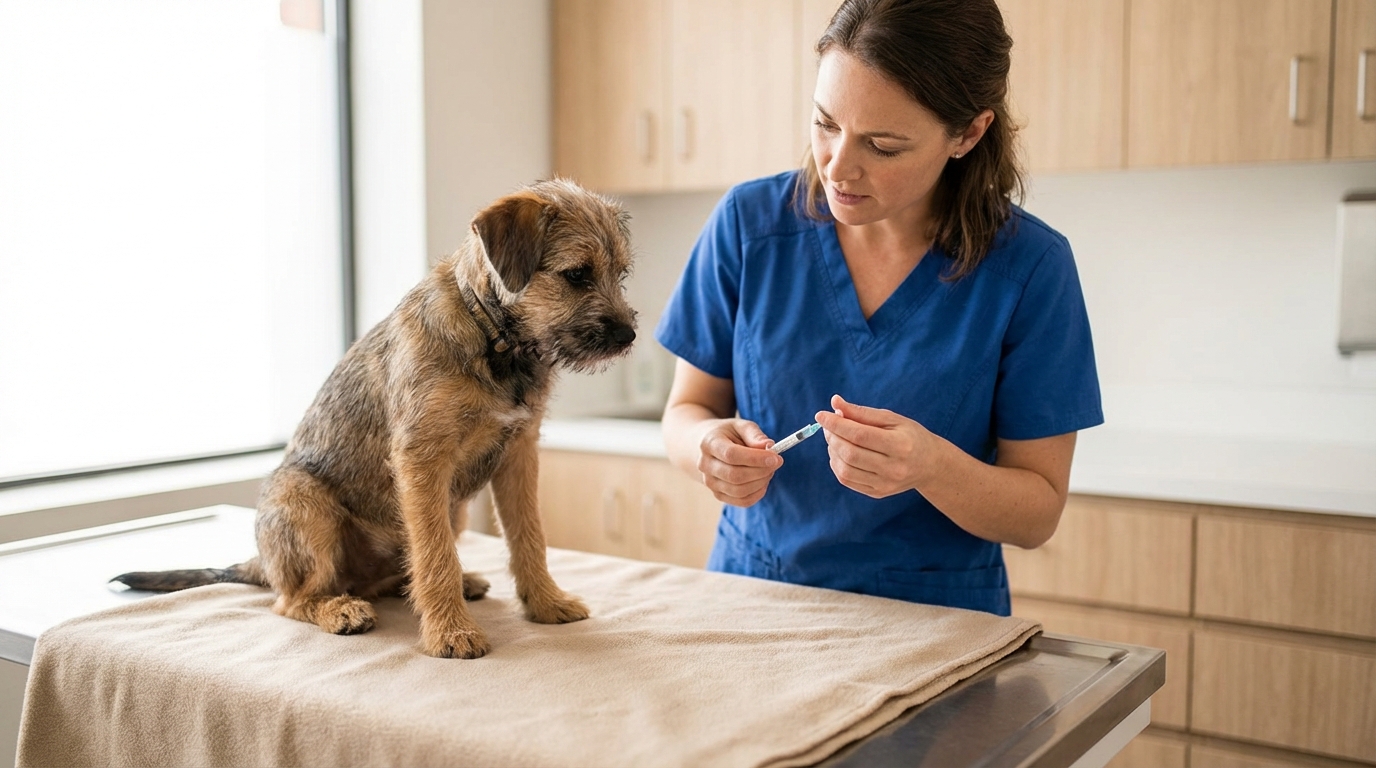
What core vaccines generally cover
Clinics may describe core vaccines using combination shorthand such as C3, C4, or C5. These labels are a convenient way to describe what’s included, but the exact formulation can vary between manufacturers and clinics—so it’s worth asking what your puppy is receiving and why.
- C3: typically covers major viral diseases such as distemper, hepatitis (adenovirus) and parvovirus.
- C4: usually refers to a C3 combination with an additional component (commonly relating to respiratory disease risk), depending on the product used.
- C5: commonly used to describe broader respiratory coverage in addition to core protection, often discussed for dogs with higher social contact (for example, day care or boarding requirements).
Your vet will consider your puppy’s age, health, contact with other dogs, and any known local disease activity. If you’re comparing schedules between clinics, focus on what protection is being provided, not just the label.
Optional vaccines and lifestyle factors
Alongside core vaccines, there are optional vaccinations that may be recommended depending on how and where your puppy spends time. Think about exposure, not just geography: day care, grooming, obedience classes, boarding, dog parks, and multi-dog households can all increase contact risk.
Optional vaccines are not “extra for everyone”. They’re a way to match protection to your pup’s lifestyle and the pathogens they are more likely to encounter. Common examples your clinic may discuss include:
- Kennel cough (infectious tracheobronchitis): often considered for puppies attending day care, group training, grooming salons, boarding, or any setting with close dog-to-dog contact.
- Leptospirosis: may be discussed for dogs with lifestyle exposure to wildlife, livestock, or environments where contact with contaminated water or urine is more likely. Not every area considers this routine, so your vet will advise based on risk.
- Canine coronavirus: generally not considered routine and is more likely to be discussed in specific circumstances (for example, outbreak concerns in high-density environments). Your vet can explain whether it’s relevant for your puppy.
- Other region- or setting-driven vaccines: some vaccines are only recommended where a particular disease risk is known to occur or where your puppy’s activities increase the chance of exposure. Ask your clinic what they see locally and how that changes recommendations.
Quick tip: Before you book puppy preschool or boarding, ask what vaccinations they require and by what date. That makes it easier to plan ahead without last-minute rescheduling.
Remember that vaccination doesn’t replace parasite protection. Many puppies pick up fleas, ticks, intestinal worms, or mosquito-borne parasites well before they’re fully vaccinated, so it’s worth planning preventive care in parallel.
To get organised early, browse essentials in our puppy supplies range—especially items that support calm vet visits and safe early training.
What to do before and after each visit
Vaccination appointments tend to go smoothly when your puppy arrives relaxed and you have the details ready. Bring any paperwork from the breeder or shelter, plus notes on diet, toileting, and any coughing, sneezing, vomiting, diarrhoea, or itching you’ve noticed.
On the day, keep exercise gentle and avoid overwhelming new experiences right before the appointment. After the vaccination, your puppy may be a bit sleepy or quieter than usual for a short period, and a mildly sore spot where the injection was given can happen.
Monitor for reactions: mild tiredness or reduced appetite can be normal shortly after vaccination. Seek urgent veterinary care if you notice signs such as facial swelling, repeated vomiting, hives, collapse, or any breathing difficulty.
- Before: keep your puppy hydrated, bring high-value treats, and allow time for toilet breaks.
- After: plan a restful afternoon, offer small meals if appetite is reduced, and avoid intense play until they seem back to normal.
- Ongoing: follow the clinic’s guidance on when it’s safe to start higher-contact activities (like group classes).
Use this period to build positive associations: gentle handling practice, reward-based crate time, and short, calm car rides. It makes future health care easier—especially as your puppy grows bigger and stronger.
If you’re stocking up for those first few months, our puppy supplies collection can help you cover training basics alongside prevention products.
Planning costs and what to buy for vaccine day
Budgeting is easier when you think in “bundles”: the initial vaccine series, a booster later on, and ongoing parasite prevention. Costs vary by clinic and what your puppy needs, but planning ahead avoids gaps in protection and last-minute purchases.
For vaccine day itself, practical items can make a big difference to comfort and hygiene. Consider:
- High-value training treats to reward calm behaviour during handling.
- A secure harness and lead suited to your puppy’s size and confidence level.
- Cleaning supplies for toilet training accidents and post-visit car clean-up.
- Parasite prevention aligned to your puppy’s age and weight, so you can start on schedule.
If you’re organising first-year essentials, keep a running checklist so your puppy’s health plan (vaccines plus parasite prevention) stays consistent as they grow and their weight changes.
Frequently Asked Questions
How do I know if my puppy is due for their next vaccine?
Your clinic will usually note the next due date on a vaccination card or in an app reminder. If you’re unsure, call and confirm before booking—staying on track is more important than exact day-to-day timing.
Can my puppy meet other dogs before the course is finished?
Many owners introduce puppies to known, healthy, fully vaccinated dogs in controlled settings. Avoid high-traffic areas and unknown dogs until your clinic confirms your puppy has adequate coverage for their stage.
What if my puppy is older and missed early vaccinations?
Don’t panic—many pups start later due to rehoming or adoption timing. Your vet can set a catch-up plan so your puppy still completes an effective series.
Do combination labels like C3, C4, and C5 mean the same thing everywhere?
They’re helpful shorthand, but inclusions can vary. Ask your vet what your puppy’s vaccine covers and whether any additional protection is being recommended based on lifestyle (such as boarding or regular grooming).
Ready to prepare for vaccine day and beyond? Shop our puppy supplies to support early training and prevention, and chat to your vet about the best schedule for your puppy’s needs.