

Following a clear puppy vaccination schedule helps protect your new pup during their most vulnerable weeks. Knowing what happens at each visit makes planning easier, keeps prevention on track, and reduces stress for you both.
Medical note: This article is general information and not a substitute for veterinary advice. Your vet will tailor recommendations to your puppy’s health, lifestyle, and local disease risk.
Why timing matters for early protection
Puppies start life with some protection passed from their mother, but that protection fades over time. Vaccines are timed to “take over” as this natural coverage drops, which is why your vet usually recommends a series rather than a single injection.
This timing also helps reduce “gaps” in protection. If an appointment is delayed, rebook as soon as you can so your clinic can advise how to continue the course. Many protocols depend on spacing between doses, and a quick check-in is the simplest way to keep the plan effective.
It’s also helpful to know what your puppy is being protected against. Most programmes include core vaccines that help guard against serious, widespread diseases such as parvovirus, distemper, and infectious hepatitis (adenovirus). Depending on risk factors (for example, frequent contact with unfamiliar dogs or time spent in higher-traffic environments), your vet may also recommend additional coverage such as kennel cough vaccination.
Typical puppy vaccination schedule (by age)
Exact timing varies between clinics, and your vet may adjust the schedule based on your puppy’s age, health status, previous records, and lifestyle. The outline below shows the most common age windows owners are given.
- 6–8 weeks: Many puppies begin their first vaccinations around this time. Your vet will confirm which vaccines are appropriate and whether any additional protection is recommended for your household or routine.
- 10–12 weeks: A follow-up vaccination in the initial series. This step is important for building a stronger immune response as maternal protection continues to decline.
- 14–16 weeks: Often the final puppy vaccination in the series for many protocols. Your vet will advise when your puppy is considered fully covered for higher-risk activities.
- 6–12 months: A booster is commonly recommended to reinforce protection as your puppy matures.
- Ongoing: Adult boosters are scheduled at intervals recommended by your vet, based on the vaccine type and your dog’s risk factors.
If you adopt an older puppy or your pup arrives without clear paperwork, don’t guess. Your vet can recommend an age-appropriate course and explain how many doses are needed and how far apart they should be.
What to expect at each vaccination visit
A vaccination appointment is usually more than “just a jab”. Most vets will do a brief health check first to ensure your puppy is well enough to vaccinate and to catch early issues that might otherwise be missed.
- Health assessment: Weight check, heart and lung listen, and a general exam of eyes, ears, mouth, skin, and abdomen. Your vet may ask about appetite, stools, energy, and any coughing or sneezing.
- Vaccine plan and record review: Your puppy’s age, previous vaccines, and any known reactions are noted so the schedule stays accurate. If you have paperwork from a breeder or rescue, bring it along.
- Parasite prevention discussion: Many clinics discuss intestinal worms, fleas, ticks, and heartworm alongside vaccines because prevention is easiest when started early and kept consistent.
- Behaviour and handling support: Expect tips on gentle restraint, learning to accept touching (ears, paws, mouth), and making car travel and vet visits positive.
Before you go, make a quick note of anything unusual (itching, diarrhoea, reduced appetite, lethargy, sneezing, or new lumps). These details help your vet decide whether to vaccinate that day or reschedule.
Quick tip: Take a photo of your puppy’s vaccination record after each visit and store it in a dedicated album. It’s handy for boarding, grooming, training classes, and if you misplace the booklet.
Aftercare, side effects, and activity
Most puppies bounce back quickly after vaccines, but mild, short-lived effects can happen. It’s fairly common to see a bit of sleepiness, slight tenderness where the injection was given, or a temporarily reduced appetite.
Plan a calm day after the appointment: gentle play, normal meals, and plenty of water. If your puppy seems tired, skip intense exercise and give them space to rest.
Seek urgent veterinary care immediately if you notice signs of a more severe reaction, especially within the first few hours after vaccination. Red flags include facial swelling, hives, repeated vomiting, sudden weakness or collapse, or any breathing difficulty. If in doubt, call your vet or an emergency clinic straight away.
Also remember that protection is not instant. Your puppy’s immunity develops over the course of the series, so choose low-risk activities until your vet confirms they’re ready for broader exposure.
Socialisation during the vaccine window (safer ways to build confidence)
The weeks when your puppy is still completing vaccinations are also a key learning period. Socialisation doesn’t have to mean high-risk dog parks or busy off-lead areas. The goal is calm, positive exposure to everyday life while your puppy’s protection is building.
- Choose controlled contact: Arrange short visits with healthy, friendly, fully vaccinated dogs you know. Keep sessions brief and upbeat, and end before your puppy becomes overwhelmed.
- Try puppy school where appropriate: Ask your vet whether a well-run puppy class is suitable at your puppy’s stage. Good classes focus on safe play, body language, and gentle handling skills.
- Build “real world” experiences safely: Carry your puppy for short outings, sit at a distance from foot traffic, and reward calm behaviour. This helps them practise seeing and hearing new things without needing to sniff unknown areas.
- Practise handling at home: Touch paws, look in ears, briefly hold the collar/harness, and reward generously. These mini-sessions make grooming and vet care easier later.
When you’re planning training or care services, ask what proof of vaccination they require. Keeping your puppy vaccination schedule organised makes it easier to join appropriate classes at the right time.
Planning prevention essentials alongside vaccines
Vaccination visits are a smart time to organise the rest of your pup’s routine, especially parasite prevention. Consistency matters, so choose a system you can maintain (for example, setting calendar reminders and keeping supplies on hand).
To get organised in one go, browse our puppy supplies collection for everyday essentials that support early routines. Many owners find it helpful to prepare a simple home kit so they’re not scrambling between appointments.
A practical checklist to consider:
- Vaccination record: stored safely (plus a clear photo on your phone).
- Parasite prevention plan: confirm with your vet what to use and when to repeat it.
- Toileting set-up: an enzyme cleaner for accidents and a consistent toilet routine.
- Gentle grooming tools: brush/comb and nail care items to practise handling early.
- Comfort and safety: a properly fitted collar or harness, lead, and an ID plan as advised by your vet.
If you’re ordering basics, adding items at the same time can keep your routine streamlined—see our puppy supplies range for practical options.
Example timeline (simple owner checklist): book the next vaccination before leaving the clinic; plan a quiet day after each visit; schedule a short, safe socialisation activity several times a week; and set a recurring reminder for parasite prevention so doses aren’t missed during busy weeks.
Frequently Asked Questions
What if my puppy’s vaccination dates are unknown?
If you’re unsure what your puppy has already had, your vet can treat them as unvaccinated and start an age-appropriate course. Bring any records you can find, even partial ones, as they help avoid unnecessary repeats.
Can my puppy go for walks before the vaccination course is finished?
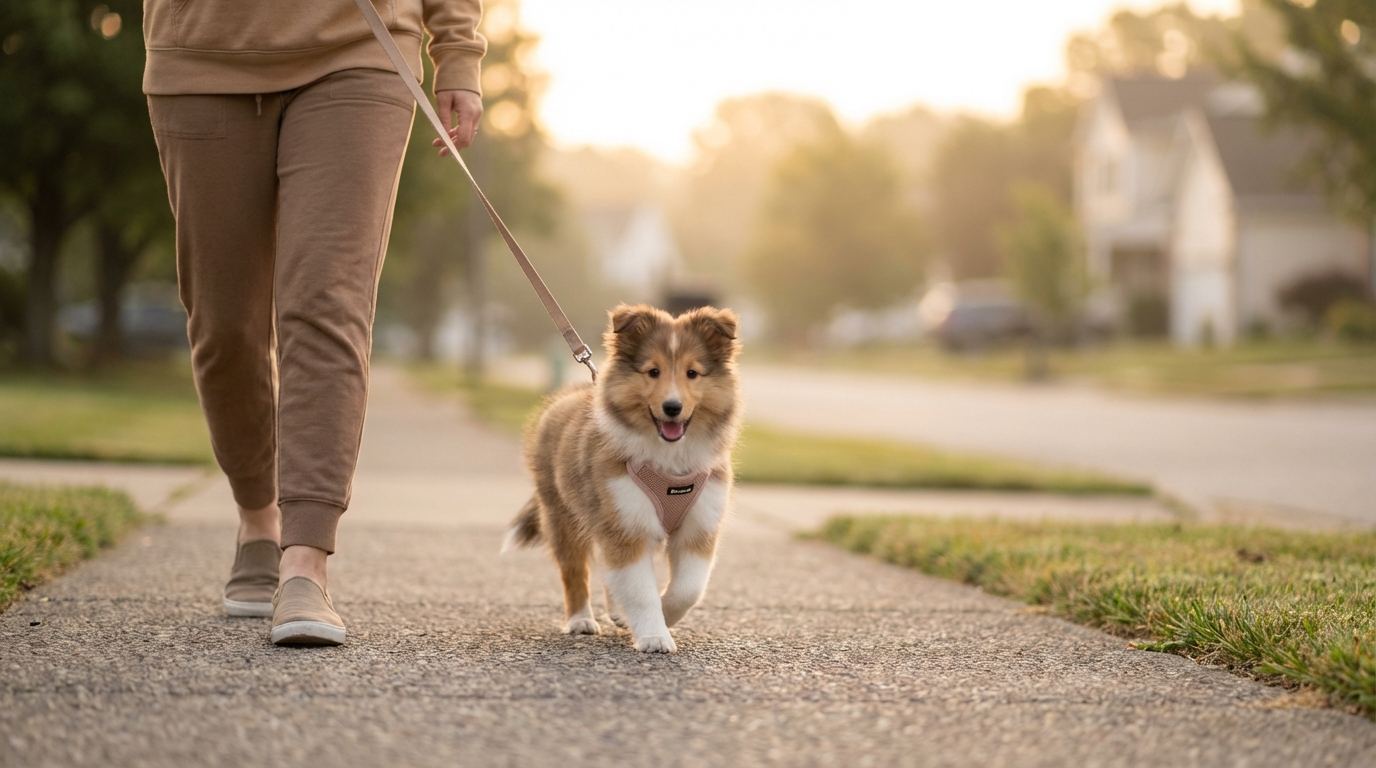
Many owners choose controlled, lower-risk outings while immunity develops, such as carrying their puppy in busier areas or visiting a friend’s healthy, vaccinated dog in a clean environment. The safest approach depends on your puppy’s stage in the series and the disease risk your vet sees locally.
Do puppy vaccines replace flea, tick, and heartworm prevention?
No—vaccines and parasite prevention cover different risks and work best together as part of a routine. If you want a simple start, set reminders and keep products ready at home so it’s easier to stay consistent.
What should I do if my puppy feels unwell after vaccination?
Mild sleepiness or temporary soreness can be normal. Contact your vet promptly if you’re worried or symptoms persist. Seek urgent veterinary care immediately if you see facial swelling, hives, repeated vomiting, collapse, or breathing difficulty.
Ready to get organised? Shop our puppy supplies to support your pup’s first-year routine, and ask your vet to tailor the schedule to your puppy’s needs.