

Bringing home a puppy is exciting—and a little chaotic—so a solid new puppy checklist helps you get set up fast. If you’re wondering what to buy for a puppy, focus on safety, comfort, feeding, training, and health from day one.
Use this scannable guide as your practical puppy essentials list, with the core items that make the first week smoother for both of you.
Home set-up & safety basics
Before your puppy arrives, do a quick “puppy-eye view” scan of your space. The goal of this part of your new puppy checklist is to prevent accidents and make boundaries clear from the start.
- Secure a safe zone: A puppy pen or baby gates to block stairs, balconies, and off-limits rooms.
- Remove hazards: Cables, houseplants, small objects, detergents, and anything chewable within reach.
- ID and travel basics: Collar, lead, and an ID tag for early outings and transport.
- Clean-up kit: Enzymatic cleaner for toilet accidents, plus paper towels and disposable gloves.
If you want to shop in one place, browse the curated range of puppy supplies to cover the essentials quickly.
Sleep, crate training & calm time
Good sleep supports learning, digestion, and confidence. When people ask what to buy for a puppy first, the best answer is often: a comfortable, secure sleep set-up.
- Crate or puppy playpen: Choose a size that allows your puppy to stand and turn around, but not so large they can toilet in one corner and sleep in another.
- Bed and blankets: Washable, easy-dry bedding; keep a spare set ready.
- Comfort item: A soft toy or safe chew to help settle (avoid small parts).
- Night-time plan: Place the crate near you initially so your puppy feels secure and you can respond quickly to toilet cues.
Keep the crate a positive place: feed a few meals in there, toss in treats, and never use it for punishment.
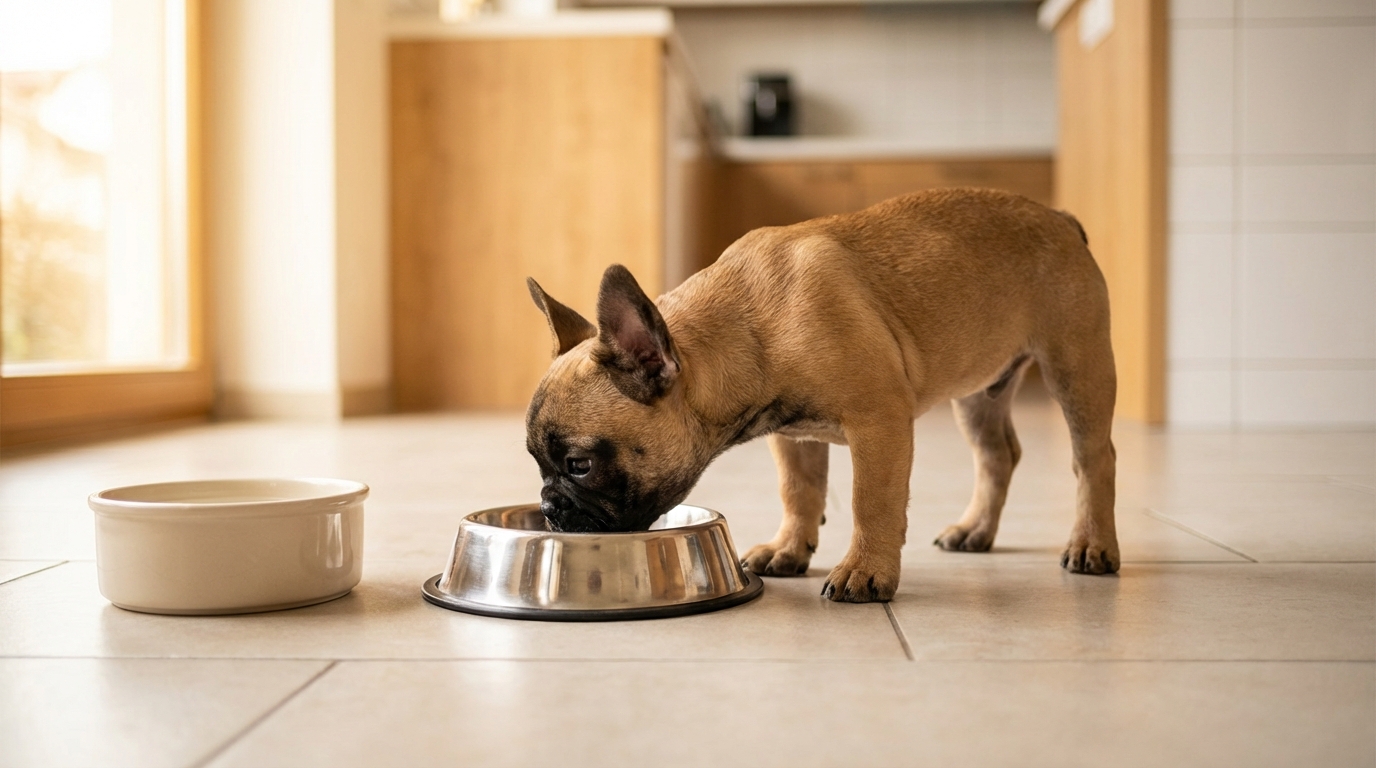
Food, feeding gear & toilet routine
Feeding is where routines begin. For a practical puppy essentials list, start with the diet your puppy is already on, then transition gradually if you plan to change foods.
- Puppy food: A complete, life-stage-appropriate diet; buy a small-to-medium bag first until you know it agrees with them.
- Bowls: One for food, one for water; non-slip and easy to sanitise.
- Measuring scoop: Consistency helps with toilet training and healthy growth.
- Treats: Small, soft training treats for quick rewards.
- Toilet supplies: Poo bags, a designated outdoor spot, and optionally puppy pads for temporary indoor training.
Plan your first 72 hours: frequent toilet breaks after waking, eating, drinking, and play. If accidents happen (they will), clean thoroughly with an enzymatic product so the scent doesn’t draw them back.
Quick tip: Take your puppy to the same toilet spot every time and reward immediately after they finish—timing matters more than the size of the reward.
Training tools & enrichment toys
Training is easier when you set your puppy up for success. The “what to buy for a puppy” shopping list should include a few simple tools that build good habits without overwhelming you.
- Harness and lead: A comfortable, adjustable harness can help with early loose-lead practice.
- Long line: Useful for recall practice in open spaces while keeping control.
- Chews: Offer an appropriate chew every day to redirect mouthing away from hands and furniture.
- Enrichment toys: Puzzle feeders and lick mats can reduce boredom and encourage calm focus.
- Clicker (optional): Great for clear, consistent communication during short training sessions.
Aim for multiple mini-sessions (30–90 seconds) rather than one long session. Rotate toys weekly to keep them interesting and reduce frantic chewing.
To streamline your new puppy checklist shopping, you can pick up training gear, feeding items, and more from our puppy supplies collection.
Health, grooming & parasite prevention
Health items are easy to forget until you need them. Build this part of your puppy essentials list early so you’re not scrambling at the wrong time.
- Flea and tick protection: Choose a veterinary-grade option suitable for puppies by age and weight.
- Heartworm prevention: Add it to your monthly routine so it’s never missed.
- Worming product: Follow a regular schedule that suits your puppy’s life stage.
- Grooming basics: Soft brush/comb, puppy-safe shampoo, and nail clippers or a grinder.
- Dental care: Puppy-friendly toothbrush and toothpaste to normalise handling.
- First-aid basics: Saline, gauze, bandage wrap, tick remover tool, and a digital thermometer (plus the number of an emergency clinic saved in your phone).
When selecting parasite protection, match the product to your puppy’s current size and lifestyle, and set reminders for repeat doses so coverage stays consistent.
Frequently Asked Questions
What should I buy before bringing my puppy home?
Prioritise a safe zone (pen/gates), a sleep set-up (crate/bed), bowls and food, a lead/harness, and a few chews. Add cleaning supplies and parasite prevention so you’re covered from day one.
How many toys does a new puppy actually need?
Start with 4–6: a chew, a soft toy, a tug toy, and one or two enrichment toys. Rotate them to keep interest high and reduce destructive behaviour.
When should I start flea, tick, and heartworm prevention?
Start as soon as your puppy is old enough and meets the minimum weight for the product you choose, then keep it on schedule. If you’re unsure which option fits, check the label carefully and chat to your vet.
Ready to shop the essentials in one go? Explore our puppy supplies range and tick off your checklist before your puppy arrives.